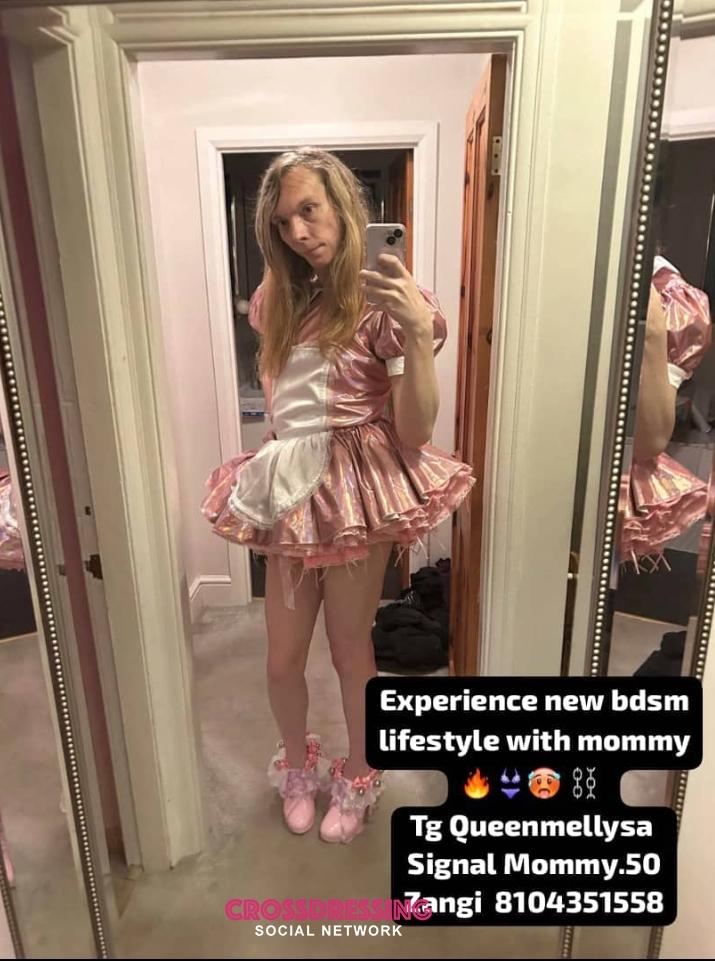
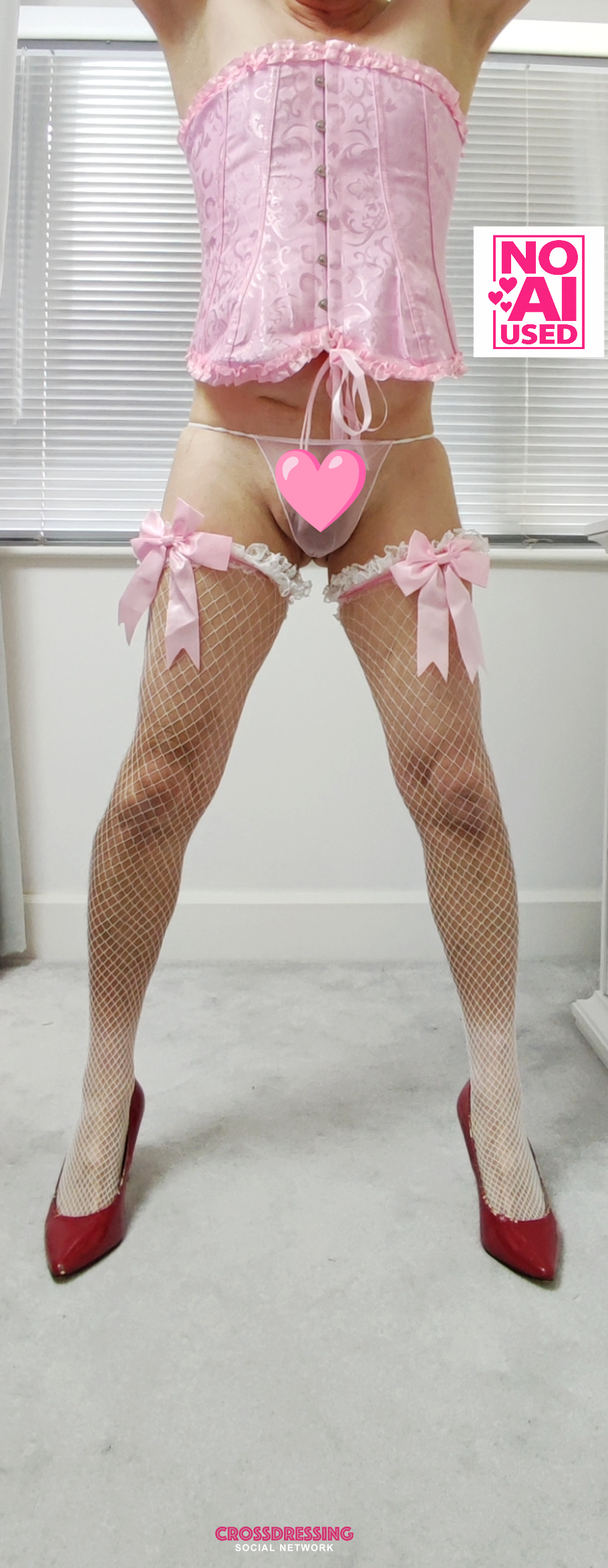
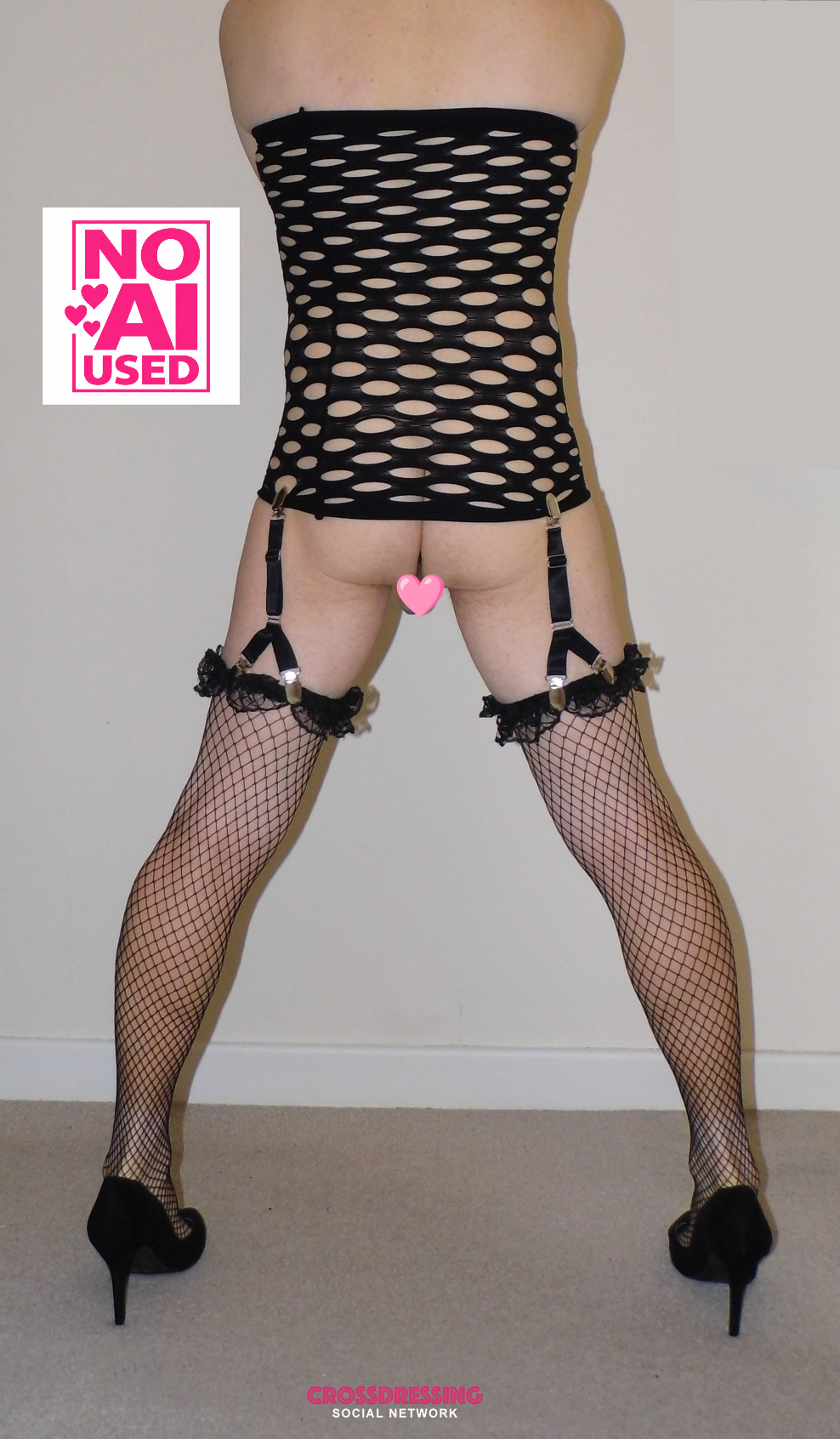
My Sissy outfit seems a popular choice xxx
(A Deal Made) Story
Paul who is a CD under a different name got in touch and said he was interested in having me round to have some fun and practice with a CD for the first time, But he said there is a slight issue, he went on to say that he was slightly large and quite hairy which he new was not good.. He also sent me the usual Co CK pictures as seems to be the normal thing lol
Anyway, annoyingly his co CK was very nice about 6" the same as me but thicker and the skin as ll the way back just how I like it, which was very frustrating as I'm not going near that all Hairy, so what to do.
I sent a proposal to Paul of my Conditions which allow him the opertunity to learn and possibly enjoy me at the same time, I was firm but he has the option to say no
He can choose what I wear or don't wear, he can play with his hands on me, if he wants to suck me then once started he must finish and most importantly no mess or waste, now the final thing was for his benefit if he chooses to, If after he has fed from me 3 times, I will allow him to Fu CK my Ass Pus sy in any position he likes...
Why 3 times you may ask, well it's all about commitment to his CD, showing he will work to get his pleasure learning his self control with Oral Skills in a Clean, Respectful and Submissive way, not questioning anything, at the end getting what he wants and needs..
I left the decision with him and to my suprise he was still very keen, I said did he want this over 3 different visits or just one longer 3hr visit, I did warn him he will be working much harder on a single long visit, but he said one visit was much better for him to organise so a date was set......
I dropped my wife off at 9am and left for Doncaster, I arrived just after 10:20am that gives me at least 3hrs possibly 4 if needed.
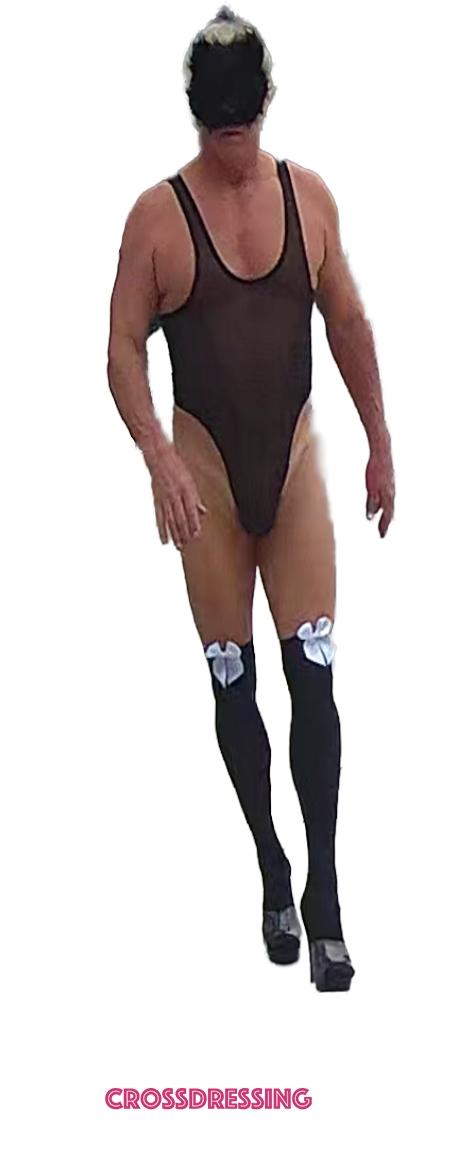
Paul let me in and we had a good chat and look through my bag of goodies, he grabbed my Cheerleader outfit with Black Stockings Tights and matching Red Stilettos, I grabbed my sheer Thong and he was happy for me to get ready, which I did, I put on a mask and Wig to help him get used to me.
We re-capped my rules and he was happy with that.
I stood in front of him and let him fondle me all over, which he seemed to enjoy, squeezing my Ass seemed popular with him and rubbing hands up and down my legs, he stood behind me and ran his hands down my chest to the top of my legs then reached with his right hand and played with my Co CK, which was starting to get hard now, this was making him even more excited, he turned me round and slipped my co CK out of my thong, it was inches away from his face, he looked up at me, I said are you sure this is what you want, he just lent forward and slid my co CK into his mouth.
He paused and said, I really need your Ass, I just smiled and said you know what you need to do.
He continued sucking, up and down my shaft, gaining more confidence and skills the more he sucked, I could tell he was learning from my reactions, which is great, saves me having to keep telling what to do.
He asked me to sit on the bed edge and lie back, he said can you hold your knees apart, so I spread my legs and held my knees, he got down on his knees and realised my coc k will bend all the way forward to allow him to continue sucking, it was rock hard in this position, he went for it big time, sucking as hard as he could, I'm surprised I lasted another several minutes at this pace, he knew I was getting close, I sat up keeping my legs Spread watching him carefully as I started to moan, I could not hold it any longer and Shot my load of juice into his mouth, he paused momenterrily looking at me then Swallowed it all down, I said that was really good well done, needless to say over the next 2 hours he made sure he got his next 2 Feeds which he did and very well too.It was my turn now, so after popping to the bathroom and using my Dousch then getting cleaned up I went back and asked him how he wanted me.
He said can I lie on the bed on my front with my legs closed and Straight, I handed him the lube which he used on himself, he got on top and Slid his thick coc k deep into my Ass, he was really enjoying thrusting deep into me and out again, then back in, unfortunately for him the enjoyment was too much and after a few minutes and lots of moaning he paused and pushed as deep as he could, I could feel his warm juice fill my Ass..
I said that felt great, you did really well today.
We settled and cleaned up and he was very keen to meet up again asap.....
If you are local and want to help..
Then get in touch.
My Sissy outfit seems a popular choice xxx 💋❤️
(A Deal Made) Story
Paul who is a CD under a different name got in touch and said he was interested in having me round to have some fun and practice with a CD for the first time, But he said there is a slight issue, he went on to say that he was slightly large and quite hairy which he new was not good.. He also sent me the usual Co CK pictures as seems to be the normal thing lol
Anyway, annoyingly his co CK was very nice about 6" the same as me but thicker and the skin as ll the way back just how I like it, which was very frustrating as I'm not going near that all Hairy, so what to do.
I sent a proposal to Paul of my Conditions which allow him the opertunity to learn and possibly enjoy me at the same time, I was firm but he has the option to say no
He can choose what I wear or don't wear, he can play with his hands on me, if he wants to suck me then once started he must finish and most importantly no mess or waste, now the final thing was for his benefit if he chooses to, If after he has fed from me 3 times, I will allow him to Fu CK my Ass Pus sy in any position he likes...
Why 3 times you may ask, well it's all about commitment to his CD, showing he will work to get his pleasure learning his self control with Oral Skills in a Clean, Respectful and Submissive way, not questioning anything, at the end getting what he wants and needs..
I left the decision with him and to my suprise he was still very keen, I said did he want this over 3 different visits or just one longer 3hr visit, I did warn him he will be working much harder on a single long visit, but he said one visit was much better for him to organise so a date was set......
I dropped my wife off at 9am and left for Doncaster, I arrived just after 10:20am that gives me at least 3hrs possibly 4 if needed.
Paul let me in and we had a good chat and look through my bag of goodies, he grabbed my Cheerleader outfit with Black Stockings Tights and matching Red Stilettos, I grabbed my sheer Thong and he was happy for me to get ready, which I did, I put on a mask and Wig to help him get used to me.
We re-capped my rules and he was happy with that.
I stood in front of him and let him fondle me all over, which he seemed to enjoy, squeezing my Ass seemed popular with him and rubbing hands up and down my legs, he stood behind me and ran his hands down my chest to the top of my legs then reached with his right hand and played with my Co CK, which was starting to get hard now, this was making him even more excited, he turned me round and slipped my co CK out of my thong, it was inches away from his face, he looked up at me, I said are you sure this is what you want, he just lent forward and slid my co CK into his mouth.
He paused and said, I really need your Ass, I just smiled and said you know what you need to do.
He continued sucking, up and down my shaft, gaining more confidence and skills the more he sucked, I could tell he was learning from my reactions, which is great, saves me having to keep telling what to do.
He asked me to sit on the bed edge and lie back, he said can you hold your knees apart, so I spread my legs and held my knees, he got down on his knees and realised my coc k will bend all the way forward to allow him to continue sucking, it was rock hard in this position, he went for it big time, sucking as hard as he could, I'm surprised I lasted another several minutes at this pace, he knew I was getting close, I sat up keeping my legs Spread watching him carefully as I started to moan, I could not hold it any longer and Shot my load of juice into his mouth, he paused momenterrily looking at me then Swallowed it all down, I said that was really good well done, needless to say over the next 2 hours he made sure he got his next 2 Feeds which he did and very well too.It was my turn now, so after popping to the bathroom and using my Dousch then getting cleaned up I went back and asked him how he wanted me.
He said can I lie on the bed on my front with my legs closed and Straight, I handed him the lube which he used on himself, he got on top and Slid his thick coc k deep into my Ass, he was really enjoying thrusting deep into me and out again, then back in, unfortunately for him the enjoyment was too much and after a few minutes and lots of moaning he paused and pushed as deep as he could, I could feel his warm juice fill my Ass..
I said that felt great, you did really well today.
We settled and cleaned up and he was very keen to meet up again asap.....
If you are local and want to help..
Then get in touch.




 Chat Rooms













 English
 French
 Spanish
 Portuguese
 Deutsch
 Turkish
 Dutch
Dutch
 Italiano
 Russian
 Romaian
 Portuguese (Brazil)
 Greek
Greek